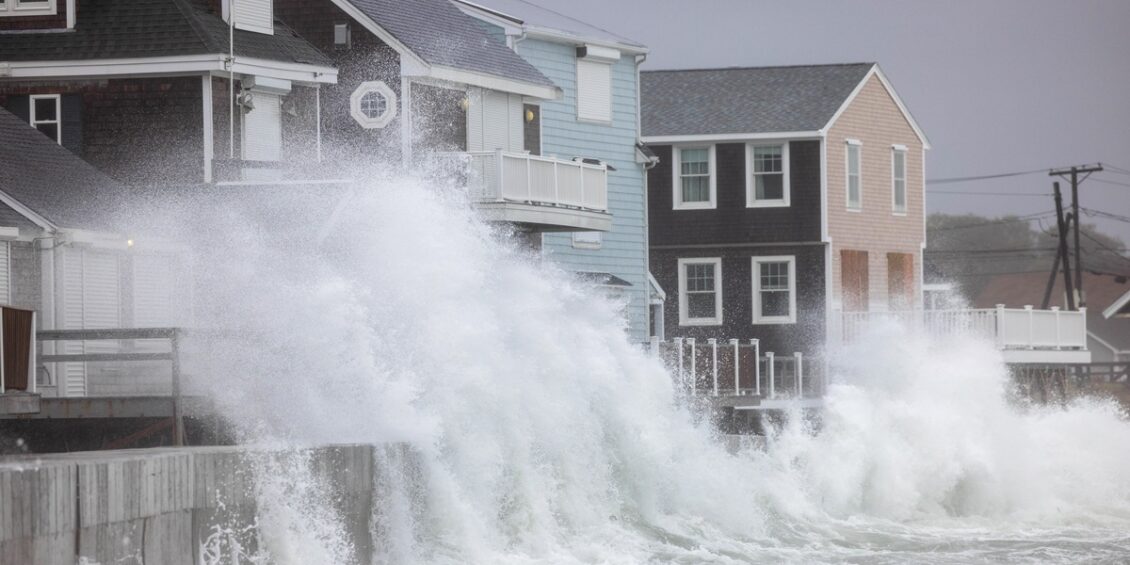
Remember the nor’easter that blew through the upper Atlantic Coast of the US in late September?
The storm flooded coastal regions, causing hundreds of thousands of households to lose power. The storm also resulted in immediate travel disruptions across the region. More than 1,000 flights were grounded, stranding travelers across the entire Eastern seaboard.
Airlines were already anticipating a surge of cancellations and refund requests. That’s just the beginning, though. The storm might have passed, but chargeback aftershocks don’t necessarily stop with the airlines. They can work their way downstream, affecting a chain of other parties.
These are secondary disputes tied to transactions that weren’t immediately connected to the original disruption. Even so, those merchants take a hit because the customer’s trip fell apart before their services could be used. And, they’re forced to either fight the dispute, or absorb the cost of a disruption they couldn’t have anticipated would affect them.
How the Chargeback Ripple Effect Happens
Let’s look at this from the traveler’s perspective.
You have a trip planned, with a full itinerary. But, your flight is canceled. That means you can no longer make use of the hotel reservation and rental car you booked. The same goes for the prepaid walking tour that you reserved. In all, you may have put up a few thousand dollars across several bookings, all for services you now aren’t going to use.
Any one of those losses might be considered unfortunate. A non-refundable deposit by itself, for example, might be chalked up to bad luck. Put several of them together, though, and the total can be harder to absorb. This may lead the cardholder to attempt to dispute the charges as a way to recoup the funds.
Suddenly, several otherwise unrelated merchants are in the path of a dispute because, from the customer’s perspective, each charge is money paid for something they ultimately didn’t use. The hotel didn’t cancel any flights, but a passenger who can no longer reach a hotel may dispute the room charge. The tour operator didn’t close the airport, but a canceled flight can turn a prepaid tour into a chargeback.
The dispute process, meanwhile, focuses on the transaction being disputed; not necessarily on the entire chain of events that led to it. The question is whether the cardholder received the goods or services associated with that particular transaction.
The broader chain of events may matter to the merchant, but a customer seeking to recover the cost of a disrupted trip may see several charges as part of the same financial loss. That means multiple merchants can end up dealing with disputes stemming from the same event, even though only one of them was directly involved in the original disruption.
Merchants in the Travel Space are Particularly Vulnerable
Non-refundable policies are, of course, an important part of travel commerce. They help businesses manage inventory and revenue when a customer cancels at the last minute or doesn’t show.
The thing is, a cancellation policy isn’t the same as chargeback protection.
A hotel, for example, may be able to show that a room was reserved, held for the customer, and available on the scheduled dates. From the hotel’s perspective, that’s the service it agreed to provide, and it was ready to provide it.
The cardholder may see things more simply: the service wasn’t received, the circumstances weren’t their fault, and they want their money back. In a dispute framed as “services not rendered,” that can put the downstream merchant in a vulnerable position. The major complication here is that both perspectives can simultaneously be true.
The same dynamic can arise outside air travel. Consider a cruise passenger whose itinerary changes because of severe weather.
Royal Caribbean, just to use them as a prominent example, state that weather and other circumstances can require them to alter an itinerary or port of call. The passenger may have agreed to those terms, but an itinerary change can still disrupt the rest of the vacation.
A shore excursion may no longer fit the revised schedule, or a restaurant reservation may become impractical. The traveler may dispute the cruise charge itself, but the disruption can also put the other merchants in a difficult position. Each one may have to defend its own transaction and show that it was prepared to provide the service the customer purchased.
What the Evidence File Needs to Look Like
When a dispute arrives, “the customer had a reservation” may not be enough.
A common basis for a dispute in these situations is that the customer claims they didn’t receive a service they paid for. That puts the merchant in the position of showing that a) the service was available; and b) the customer’s failure to use it wasn’t a failure on the part of the merchant.
A hotel, for example, might show the reservation record, room assignment, availability on the scheduled dates, and no-show record. For a tour operator, the list might include the scheduled departure, attendance records, and evidence that the tour operated as planned.
Customer communications are important here, too. Records showing that the merchant tried to contact a no-show customer can help establish what happened. So can a clearly documented cancellation or no-show policy, if that policy was presented at booking. If a customer disputes a charge, it’s much easier to defend a policy if the merchant can show customer agreement before the fact.
Finally, I can’t overstate the importance of timing here. A disruption and a dispute are separate events that may happen weeks apart. A major storm in September, for example, could produce a wave of related chargebacks in November, after the original disruption is already out of sight. By then, employees may have moved on, communications may be harder to locate, and the people who handled the original booking may no longer remember the circumstances.
That’s why merchants should use the window after a major disruption to preserve relevant records and assemble documents. That evidence file should be in place before any chargebacks hit.
Prepare Before the Disputes Arrive
The downstream problem is predictable enough to prepare for.
Take my opening illustration of the September nor’easter. A major weather event can disrupt travel. When it does, merchants shouldn’t assume that being uninvolved in the disruption means they’re insulated from the financial fallout. The practical response is to be prepared when someone else eventually questions the transaction.
Review the reservations affected by the disruption. Preserve records showing that services were available. Make sure you have any no-show/cancellation communications on file. Confirm that the policies customers agreed to at booking are accessible and clearly documented. The goal is a complete evidence file that can answer two straightforward questions:
- What did this merchant provide?
- What did the customer agree to when they booked it?
Weather may have started the whole problem, but the merchant still has to be prepared for what happens afterward. The time to build that record is before the first dispute arrives.
